
Disclaimer
(A Note on this Article’s Creation: This article represents a new model for non-fiction publishing, where the power of personal storytelling is combined with the speed and accuracy of AI-assisted research. The core narrative is drawn from the author’s own experience, while its claims are substantiated by a data-driven approach, creating a more robust and verifiable analysis.)
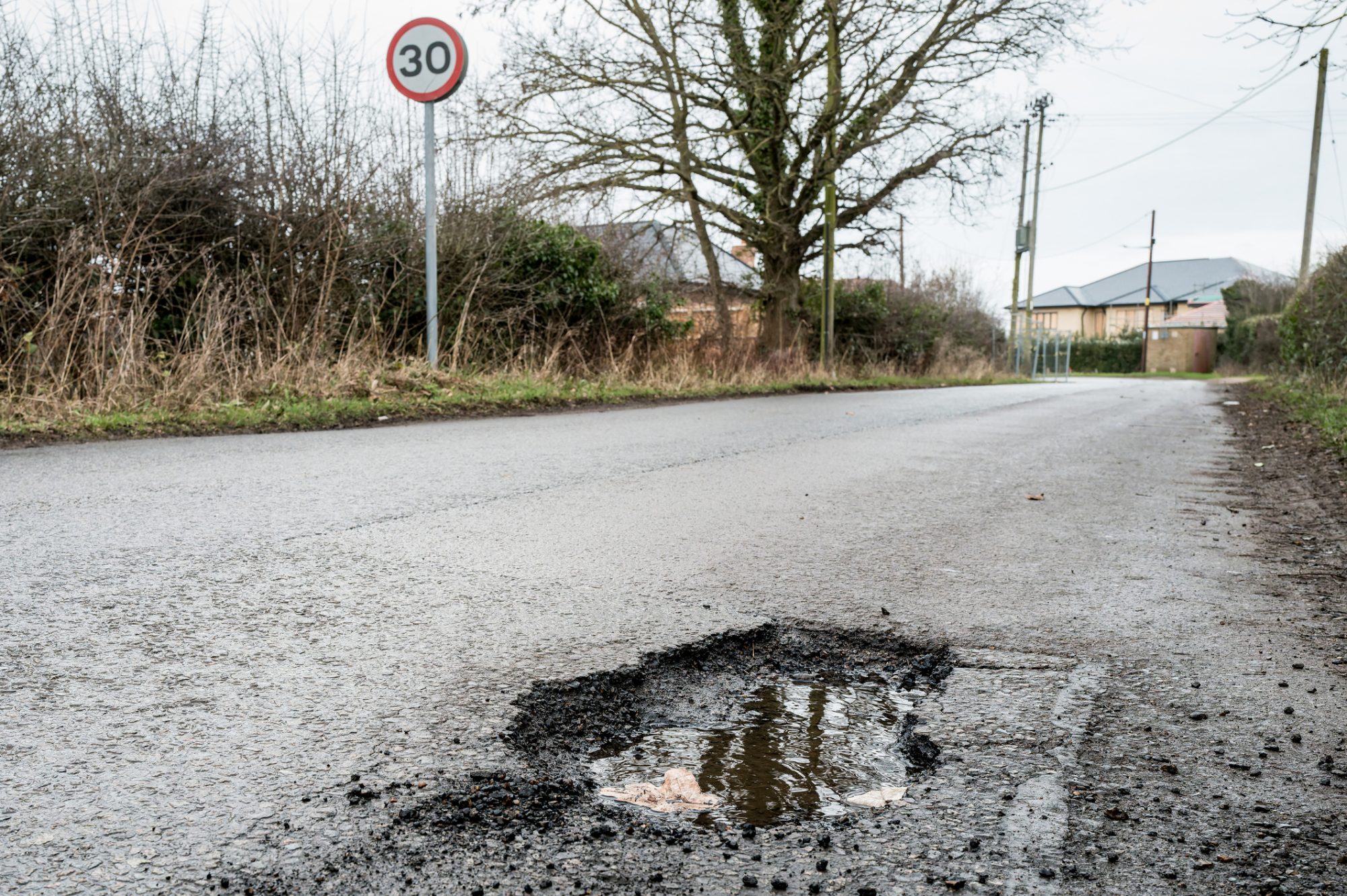
There it is. The tell-tale jarring thud that sends a shudder through your car and an immediate flash of frustration. The pothole, once a seasonal nuisance, has metastasized into a full-blown infrastructure crisis for the United Kingdom, a persistent and infuriating foe that everyone has encountered. It’s a quantifiable and devastating drain on the national economy, a significant and escalating safety risk, and a powerful symbol of decades of chronic underinvestment. By examining the true scale of the problem, its complex causes, and its profound human cost, we can see that this isn’t a simple case of incompetence. It’s a paradox of budget, bureaucracy, and public patience that traps the nation’s road network in a perpetual state of disrepair. This analysis reveals the true hidden costs of Britain’s crumbling roads and argues for a fundamental policy shift from reactive, short-term fixes to strategic, long-term investment.
The Staggering Scale of the Crisis
The scope of the UK’s pothole problem is staggering, growing year after year with an accelerating pace that local authorities are ill-equipped to address. The financial strain on both local government and the public has become immense, creating a repair backlog that threatens the integrity of the entire road network. The latest data reveals a crisis of unprecedented proportions. Between January and November, local authorities received nearly 1 million (952,064) pothole reports, making it the highest number in five years (Round Our Way, 2025). This influx of reports is a direct result of a repair backlog that has reached a new high of almost £17 billion across England and Wales (ALARM Survey, 2025), a figure that illustrates the overwhelming challenge councils face.
The problem is far more than an inconvenience; it has a tangible economic cost. A report by the Centre for Economics and Business Research (CEBR) found that the pothole crisis is costing £14.4 billion a year in economic damage in England alone. This figure is supported by the Road Haulage Association, which has warned that the annual economic toll could be as high as £30 billion due to the costs of congestion and vehicle damage.
The Blame Game: Causes and Consequences
The proliferation of potholes is the result of a perfect storm of environmental and financial factors. From the destructive power of the winter freeze-thaw cycle to a long-standing pattern of underfunding, the conditions for road deterioration have been consistently met. For drivers, this has translated into a direct and costly burden, with motorists facing significant repair bills and insurance complications.
A major contributor to the pothole problem is the freeze-thaw cycle. Water seeps into cracks in the road surface, freezes, expands, and then melts, causing the surrounding asphalt to break apart and form a pothole. This process is exacerbated by a lack of proper preventative maintenance, where roads are not regularly resurfaced and instead are patched with temporary fixes that quickly fail.
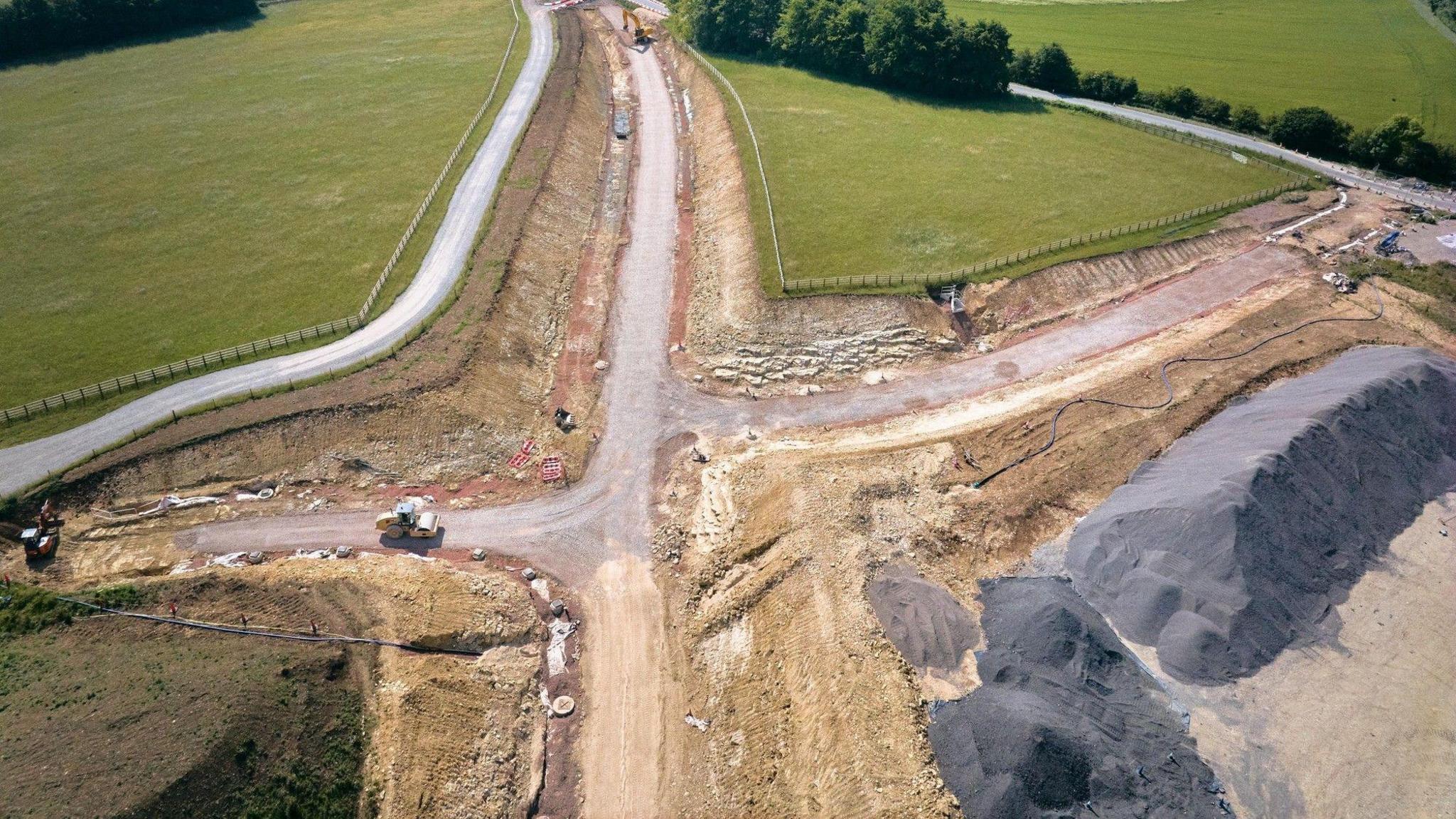
The public’s frustration with roadworks is often rooted in a misunderstanding of their inherent complexity and the numerous delays that are outside of a contractor’s control. As one video explains, the time it takes to repair a road is influenced by a range of factors that are often invisible to the public (Business Insider, 2025). This includes ensuring the safety of workers and the public, which requires extensive traffic management plans and on-site risk assessments. It also involves the crucial but unseen work of protecting underground utilities like gas, water, and electricity lines. Furthermore, the work is heavily dependent on weather, as materials like asphalt and concrete need specific temperatures and dry conditions to cure properly. These factors demonstrate that the slow pace of work is not due to laziness, but rather the necessary steps required to ensure the repair is done safely and correctly.
The consequences of this neglect are dire for drivers and cyclists. The average repair cost for vehicle damage from a pothole has risen to around £460, with some repairs, such as replacing suspension components, costing significantly more (Trans.info, 2025). This financial burden is compounded by an increased risk of breakdowns, with the RAC Pothole Index showing that pothole-related breakdowns have hit a seven-year high, with patrols attending 24,763 pothole-related breakdowns over a 12-month period (RAC, 2025). Most tragically, the report highlights the significant safety risks posed by potholes, with one campaign group citing that 118 cyclists were killed or seriously injured due to a defective road surface over a four-year period (Pothole Partnership, 2025).
Government Action: A Conditional Commitment
In response to the growing crisis, the UK government has announced a £1.6 billion highway maintenance fund for the 2025-2026 financial year. This includes an extra £500 million specifically for pothole repairs, which is estimated to fill up to 7 million potholes annually. However, this funding is not unconditional. Councils must now publish annual progress reports detailing how many potholes they’ve filled to receive their full allocation, or they risk losing up to 25% of the additional funding. This move is a powerful call-out to authorities who have historically operated with a significant funding shortfall, with the latest ALARM survey data showing councils received only about two-thirds of the funding they needed to meet their own maintenance targets in 2022/23.
From Reactive to Proactive: A Path Forward
While the crisis is severe, the report makes it clear that there are viable solutions and examples of good practice that can be celebrated. The core of the solution lies in a fundamental shift from a reactive “fill-and-go” strategy to a proactive approach of preventative maintenance.
Local councils and authorities that have adopted a proactive model are seeing clear successes. Instead of waiting for a pothole to form, they are strategically resurfacing roads and applying surface dressings. This prevents the initial cracks from forming and stops the freeze-thaw cycle from taking hold. Experts from the Local Government Association argue that a preventative, proactive approach is far more cost-effective, with a single reactive repair costing 3 to 5 times more in the long run. Studies show that a single resurfacing project that costs about £25-50 per square metre can save thousands in repeated, costly reactive pothole repairs over a road’s lifespan. Even simpler interventions like “rejuvenation” treatments can be applied to good roads to extend their life by up to five years for as little as £2.50-£3.50 per square metre.
Innovative Solutions: A Glimmer of Hope
The good news is that technology is now providing new ways to tackle the crisis more efficiently and sustainably. Companies are now deploying innovative solutions that promise to break the vicious cycle of budget and blame. The JCB Pothole Pro, for example, is a single machine that can carry out road repairs four times faster than standard methods, cutting, cropping, and cleaning a defect with one piece of equipment. Additionally, advanced infrared technology, known as thermal road repairs, can reheat existing asphalt to create a seamless, joint-free repair that can reduce carbon emissions by over 85% compared to traditional methods. Furthermore, new eco-friendly materials like Elastomac, which recycles waste tyres, are being used to create longer-lasting road repairs with a reduced environmental footprint.
Legal and Human Impact
Beyond the economic and safety costs, the pothole crisis has significant legal and human consequences. Under the Highways Act 1980, a local authority has a “duty of care” to maintain roads, making them liable for injuries or damages caused by road defects. Legal firms note that to make a successful claim, a pothole typically needs to be a certain depth (often cited as 40mm) and the claimant must provide evidence such as photos and measurements. This legal avenue, while difficult, is a testament to the fact that councils are legally obligated to address the issue, even if they lack the funding to do so.
Conclusion
The pothole is no longer just a hole in the road; it is a profound symbol of a deeper infrastructure crisis. It represents a a failure to invest, a lack of long-term vision, and a breakdown of public trust. The evidence is clear: the current reactive, “fill-and-go” approach is an expensive and dangerous cycle of failure. The path forward is not found in blame, but in a demand for genuine, systemic reform. This requires a sustained, strategic funding commitment that empowers local authorities to rebuild our roads and a new mindset that recognizes the long-term value of proactive maintenance. It’s time to demand a better system—a system that is safe, sustainable, and deserving of the public’s trust.
References
- ALARM Survey. (2025). Annual Local Authority Road Maintenance Survey. Sourced from a YPF report.
- Business Insider. (2025). Why Road Construction Takes SO LONG. Retrieved from https://www.youtube.com/watch?v=VBwvXKgzqBg
- Centre for Economics and Business Research (CEBR). (2025). The pothole crisis is costing £14.4 billion a year in economic damage in England alone. Retrieved from https://cebr.com/blogs/the-pothole-crisis-is-costing-14-4-billion-a-year-in-economic-damage-in-england-alone/
- The Health Foundation. (2025). Deaths and serious injuries by type of road user. Retrieved from https://www.health.org.uk/evidence-hub/transport/transport-trends/deaths-and-serious-injuries-by-type-of-road-user
- MoneySavingExpert (MSE). (2025). Pothole claims: How to claim for pothole damage. Retrieved from https://www.moneysavingexpert.com/reclaim/pothole-claims/
- Pothole Partnership. (2025). Safety Risks of Potholes. Sourced from a YPF report.
- RAC. (2025). RAC Pothole Index – statistics and data UK roads. Retrieved from https://www.rac.co.uk/drive/advice/driving-advice/rac-pothole-index-statistics-data-and-projections/
- Round Our Way. (2025). Pothole Reports Data. Sourced from a YPF report.
- Pennsylvania Department of Transportation. (2025). Science of potholes. Retrieved from https://www.pa.gov/content/dam/copapwp-pagov/en/penndot/documents/documents/educational-resources/science%20of%20potholes.pdf
- Trans.info. (2025). Average Pothole Repair Bill. Sourced from a YPF report.