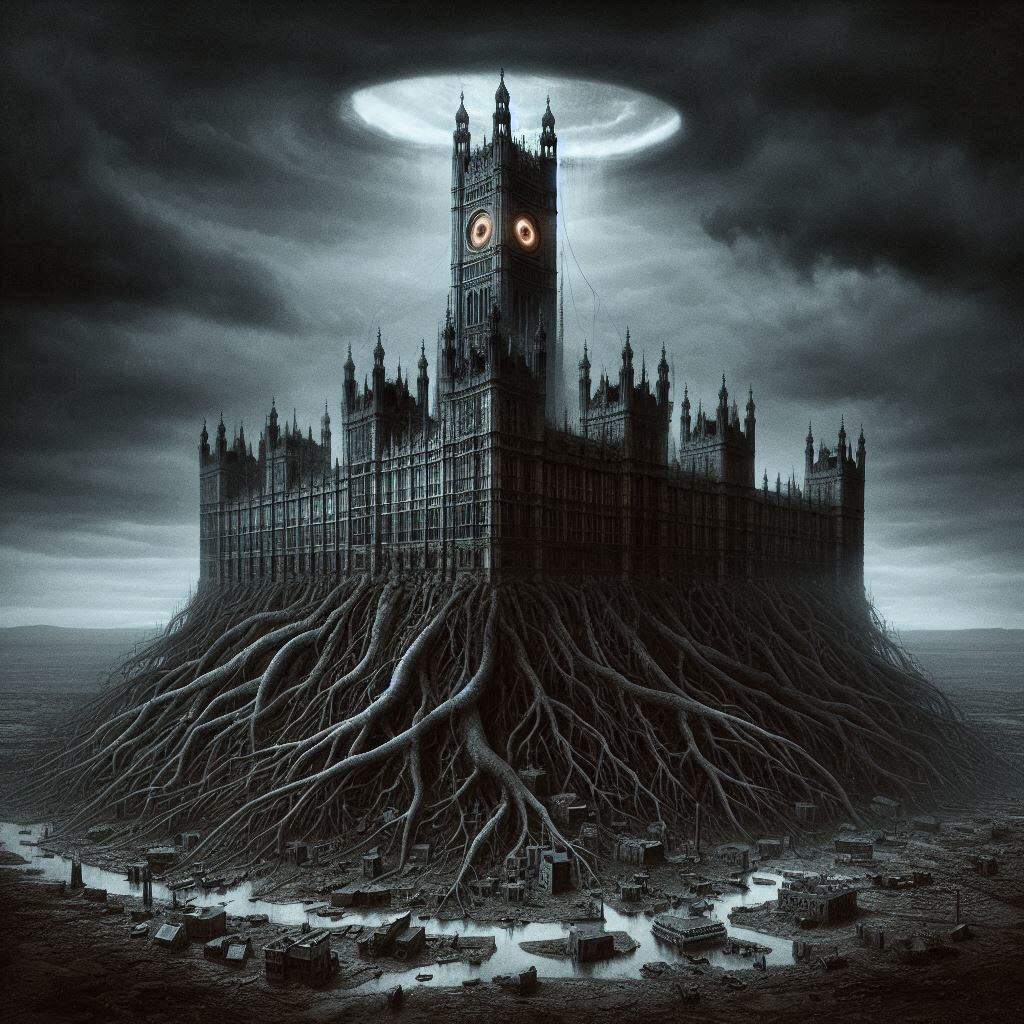

In sharp contrast to the ancient models, modern democracies largely lack a structured, institutionalized path for political leadership. While some countries maintain parliamentary traditions that favor those who have served an apprenticeship in public office, many modern systems allow for a rapid and unvetted ascent to power. In the absence of a structured path, the road to the highest office can be driven by celebrity, personal wealth, or media presence rather than a demonstrated record of public service.

The scope of the UK’s legitimacy crisis is breathtaking, growing with a corrosive pace that our political institutions are ill-equipped to address. The emotional and psychological toll on citizens has become immense, fostering a disconnection that threatens the very integrity of our political compact.
Westminster, through its highly centralized model of governance, has adopted a set of behaviors that uncannily mirrors the “rules for rulers” outlined in the handbook. By controlling the flow of resources, selectively investing in infrastructure, and hollowing out local institutions, the UK government—regardless of which party is in power—is effectively propagating a dictatorial approach rather than upholding the free democracy it claims to represent.