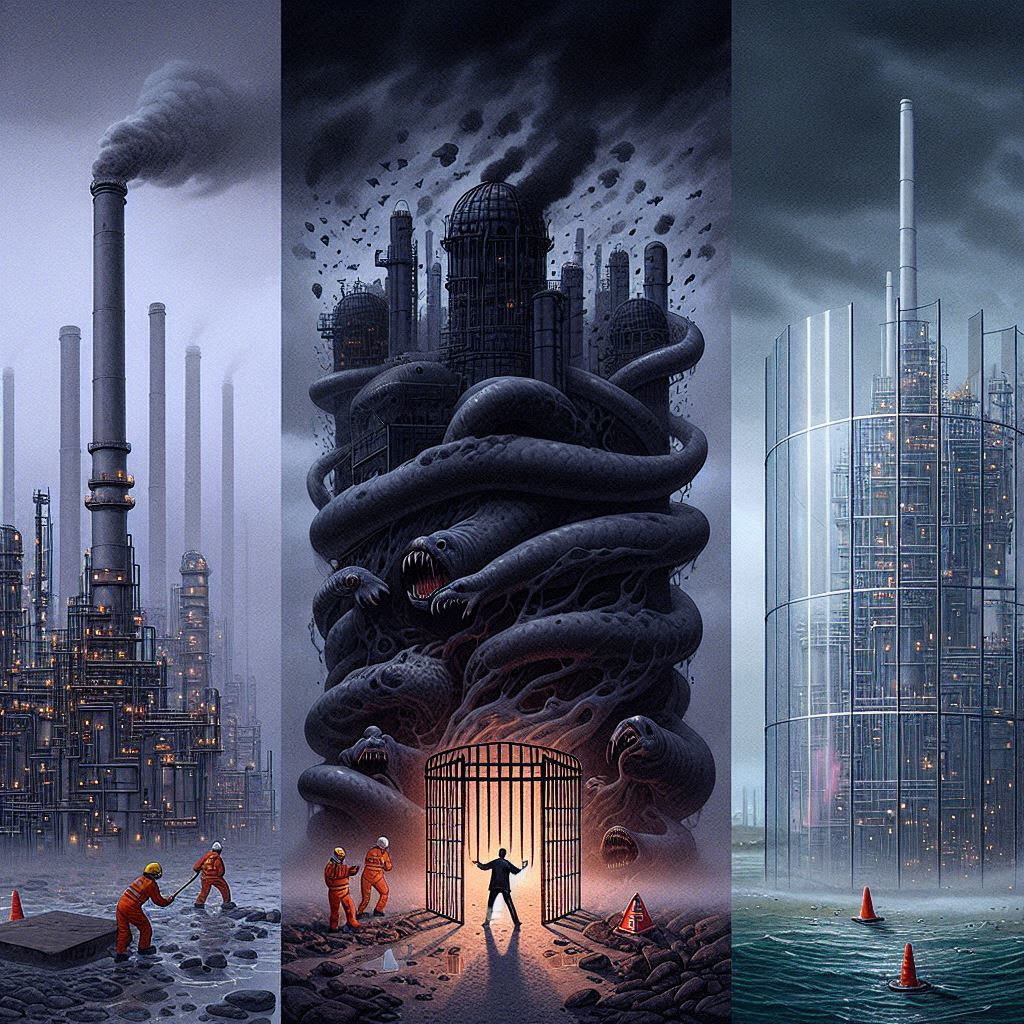

The core harm of this system is the moral catastrophe of dissolution: the failure of a fixed framework to safeguard the sacred rights of property, security, and liberty from threats that operate on a technological, not political, timeline. The governing instruments, conceived during the Enlightenment era, were primarily designed to check political power and defend against tyranny. Today, the state faces exponential, non-human, and systemic threats, from hyper-automation to climate collapse, which traditional amendments and policy debates are tragically slow to address.