
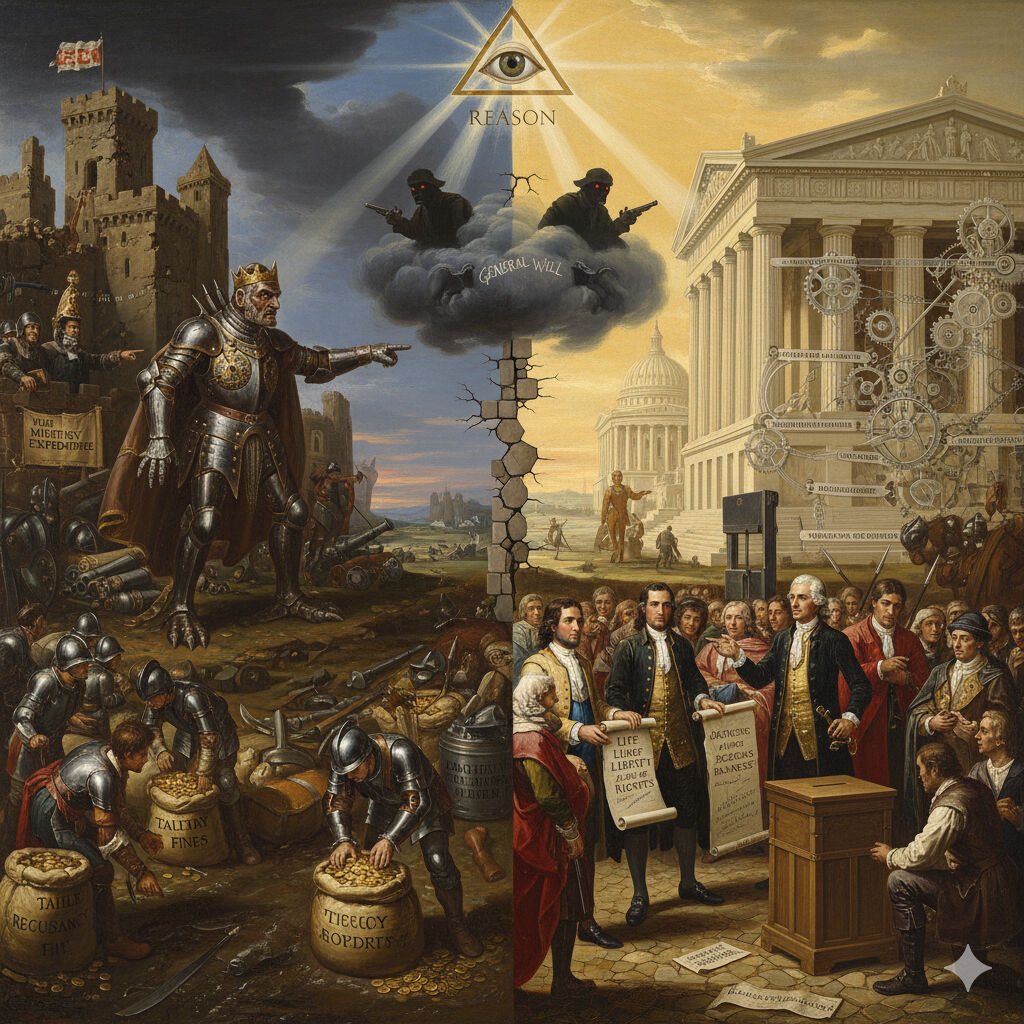
Emerging from the political and religious turmoil of absolute monarchies, thinkers sought to replace divine or hereditary right with reason and human consent, transforming governance from a theological mystery into a solvable political problem.
Emerging from the political and religious turmoil of absolute monarchies, thinkers sought to replace divine or hereditary right with reason and human consent, transforming governance from a theological mystery into a solvable political problem.
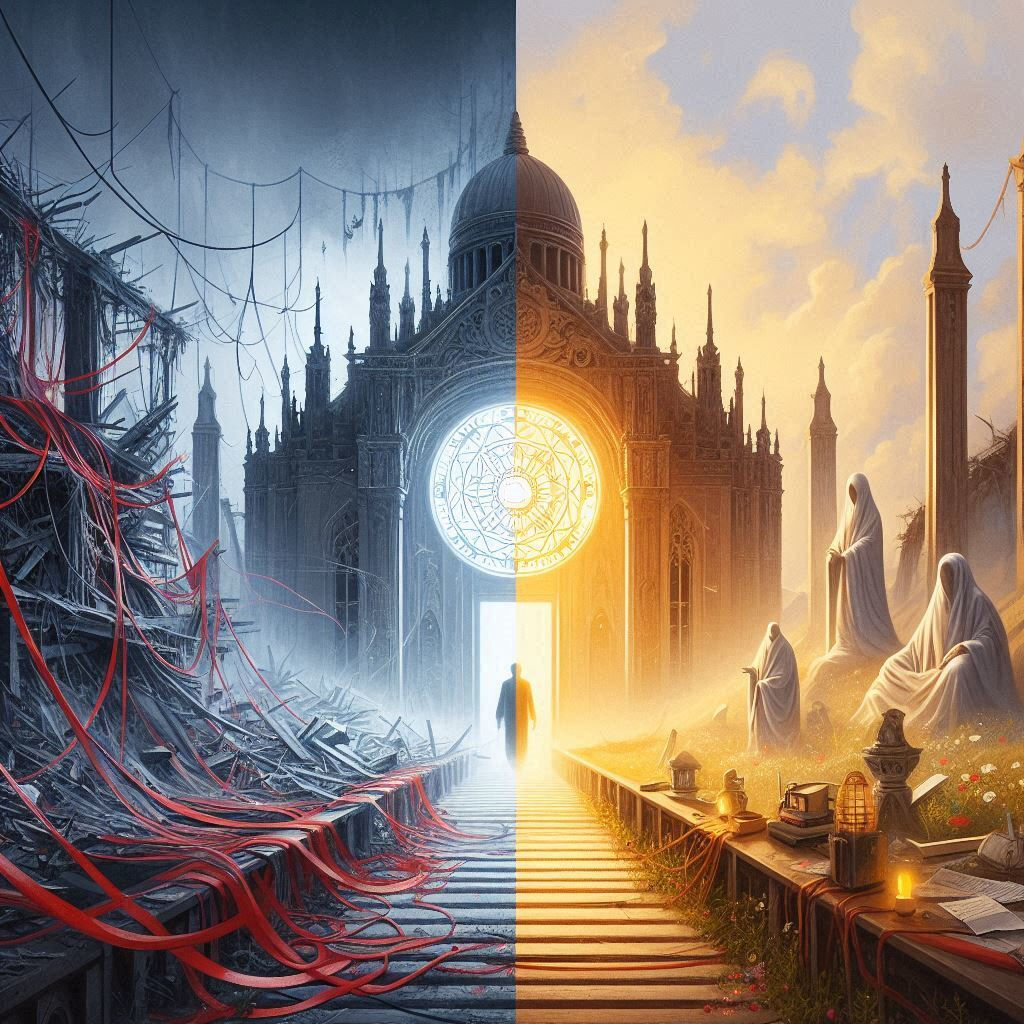
For centuries, the Western tradition has focused primarily on the mechanics of power: laws, checks, and balances. However, this focus has proven inadequate against the forces of short-term political incentives, leading to a profound crisis of public trust.

In sharp contrast to the ancient models, modern democracies largely lack a structured, institutionalized path for political leadership. While some countries maintain parliamentary traditions that favor those who have served an apprenticeship in public office, many modern systems allow for a rapid and unvetted ascent to power. In the absence of a structured path, the road to the highest office can be driven by celebrity, personal wealth, or media presence rather than a demonstrated record of public service.