
The widely perceived crisis of public trust is not an unfortunate side effect of modern governance; it is a necessary condition for the preservation of the status quo. The true mechanism by which the political elite maintains control is the Democratic Deficit. This deficit is not accidental; it is a profound, structural gap between the promise of representative democracy and the practical reality of citizen power.
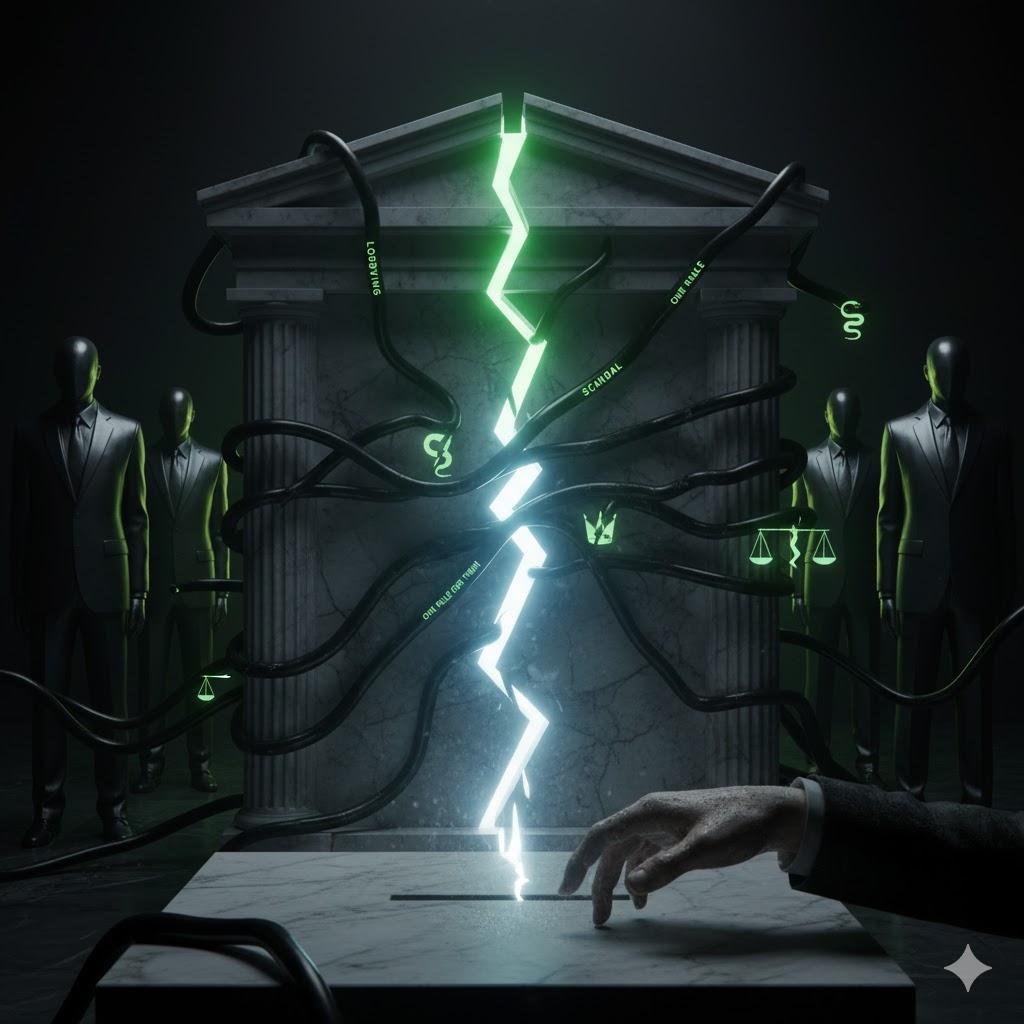
The decline in public confidence is a statistical freefall, quantifiably demonstrating that citizens doubt their leaders’ intent and competence. This decline represents a collapse of both transactional trust (belief in the government’s ability to deliver services) and, more dangerously, generalized trust (belief in the inherent honesty and integrity of the political class itself).
The time has come to complete the unfinished business of constitutional reform. We must move beyond piecemeal changes and build a new, fully elected upper chamber that is truly fit for the 21st century. This new chamber would not only provide a powerful democratic check on the House of Commons but would also serve as the beating heart of a federal Britain
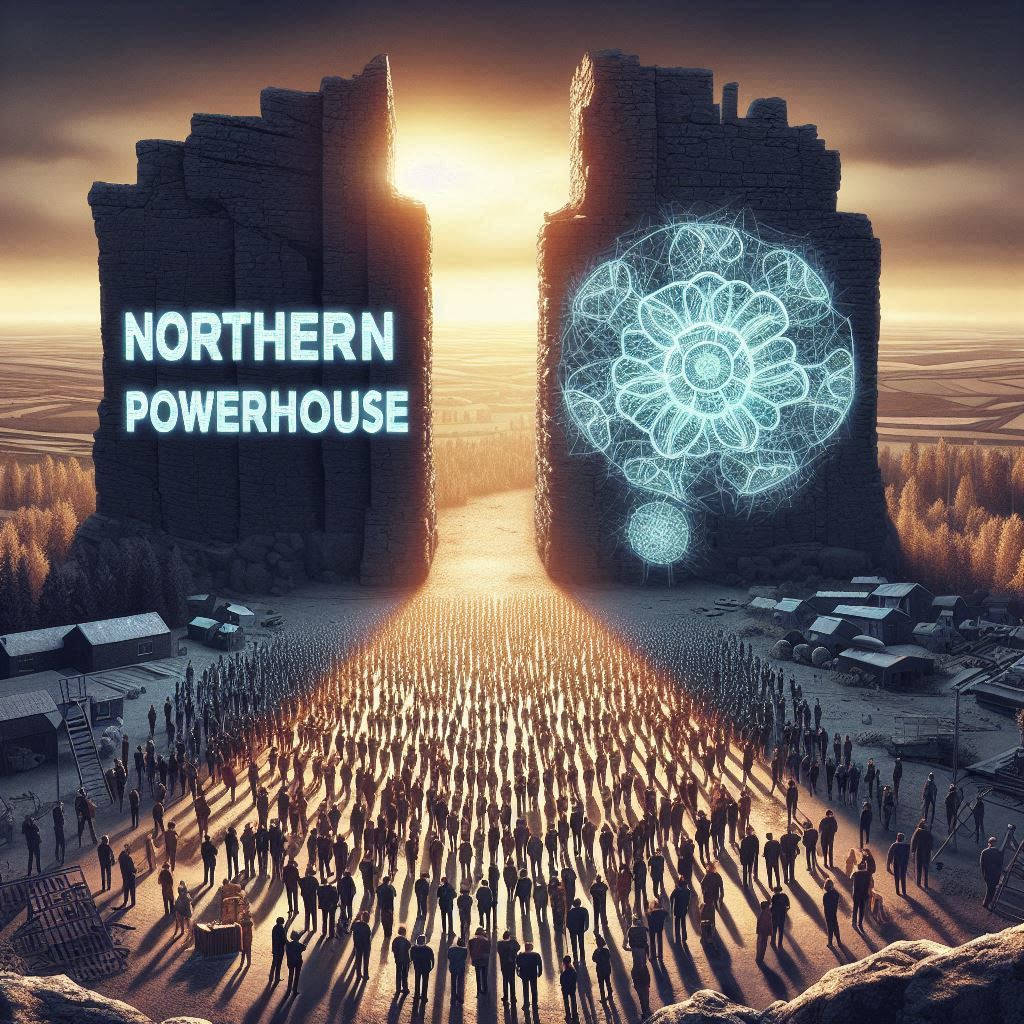
The Northern Powerhouse was an idea; now we have the data to judge its implementation. It is time to learn from its shortcomings, to listen to the voices of Yorkshire, and to demand a new path forward.
The UK has historically been one of the most centralized countries in the Western world, with Westminster politics and Whitehall bureaucracy deeply ingrained in almost every aspect of public life. This centralized model of public service delivery has been “tested to destruction,” leading to a lack of excellence and proving both ineffective and expensive due to attempts to micromanage services from the centre