
The troubles facing the United Kingdom today are not just about modern debt or pandemics; they are rooted in historical…
For centuries, the Western tradition has focused primarily on the mechanics of power: laws, checks, and balances. However, this focus has proven inadequate against the forces of short-term political incentives, leading to a profound crisis of public trust.
In sharp contrast to the ancient models, modern democracies largely lack a structured, institutionalized path for political leadership. While some countries maintain parliamentary traditions that favor those who have served an apprenticeship in public office, many modern systems allow for a rapid and unvetted ascent to power. In the absence of a structured path, the road to the highest office can be driven by celebrity, personal wealth, or media presence rather than a demonstrated record of public service.
This is a journey to understand how other successful democracies organize themselves, and what lessons they might hold for the UK, including the powerful examples of consensus from Switzerland, Belgium, and the Netherlands.
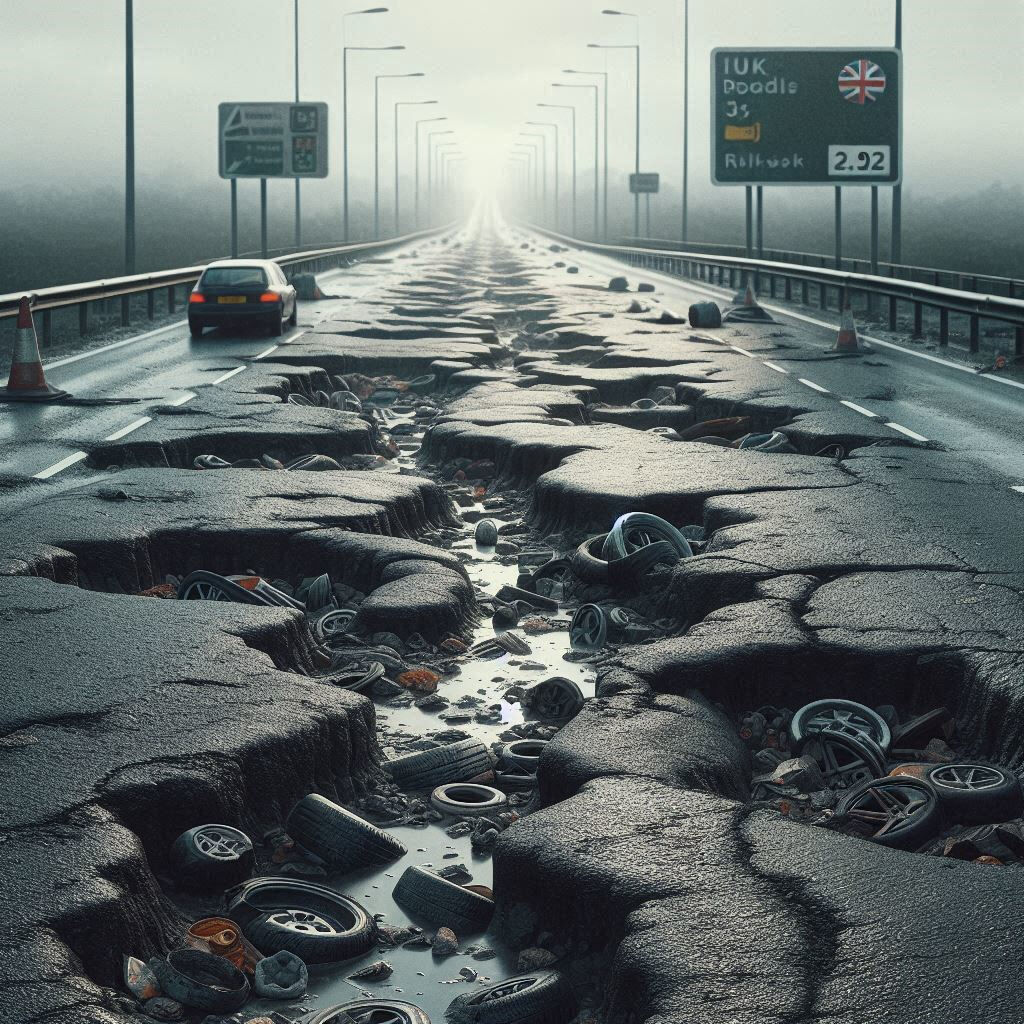
The scope of the UK’s pothole problem is staggering, growing year after year with an accelerating pace that local authorities are ill-equipped to address. The financial strain on both local government and the public has become immense, creating a repair backlog that threatens the integrity of the entire road network.