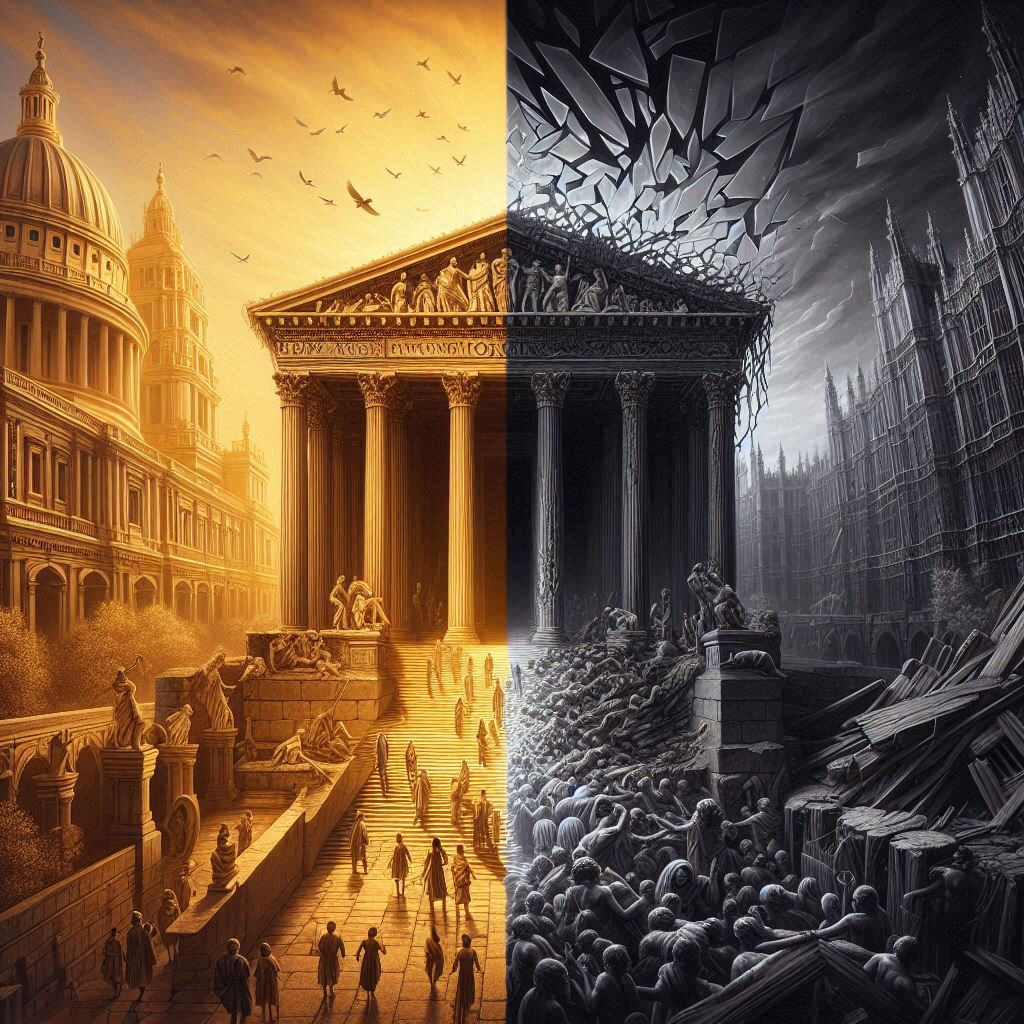

In sharp contrast to the ancient models, modern democracies largely lack a structured, institutionalized path for political leadership. While some countries maintain parliamentary traditions that favor those who have served an apprenticeship in public office, many modern systems allow for a rapid and unvetted ascent to power. In the absence of a structured path, the road to the highest office can be driven by celebrity, personal wealth, or media presence rather than a demonstrated record of public service.
This is a journey to understand how other successful democracies organize themselves, and what lessons they might hold for the UK, including the powerful examples of consensus from Switzerland, Belgium, and the Netherlands.
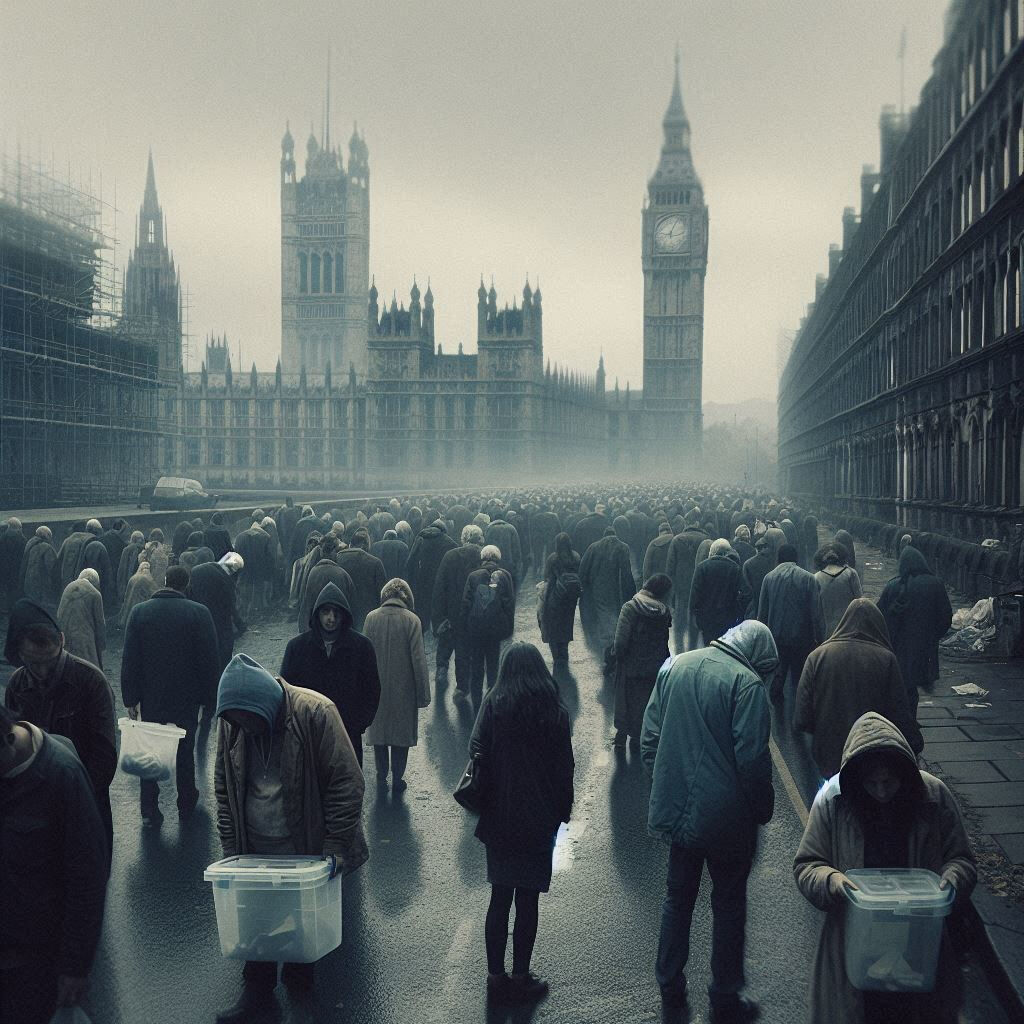
The average person feels they have no control over the government or its actions. This isn’t a paranoid delusion; it’s a lived reality directly supported by data. For many, their vote feels meaningless
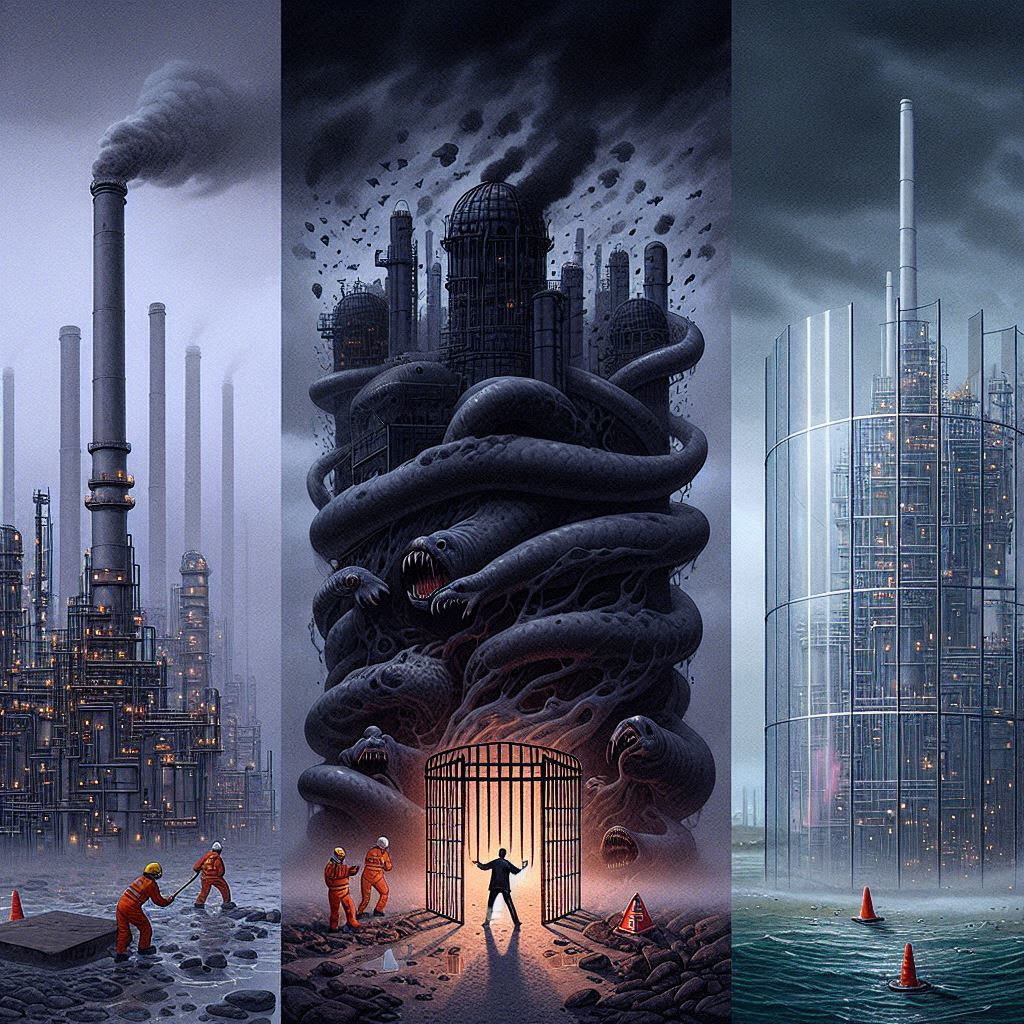
The Pensana case is an irrefutable indictment of a system where short-term political inertia and geographic bias systematically override long-term national security and economic resilience. It is a clear example of the slow, self-wrought decline that results from mistaking a gesture for an investment, and a democracy’s inability to overcome its own structural failings.