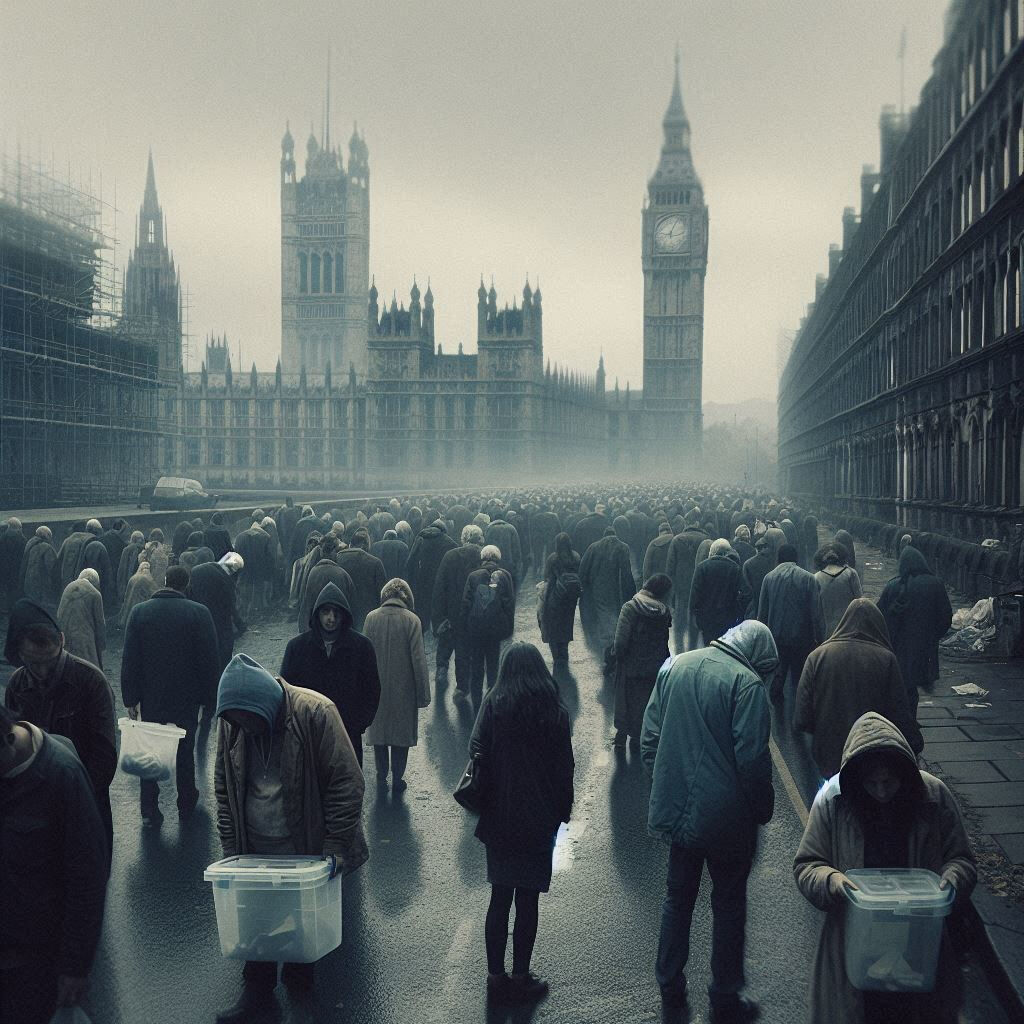

In sharp contrast to the ancient models, modern democracies largely lack a structured, institutionalized path for political leadership. While some countries maintain parliamentary traditions that favor those who have served an apprenticeship in public office, many modern systems allow for a rapid and unvetted ascent to power. In the absence of a structured path, the road to the highest office can be driven by celebrity, personal wealth, or media presence rather than a demonstrated record of public service.

This is a journey to understand how other successful democracies organize themselves, and what lessons they might hold for the UK, including the powerful examples of consensus from Switzerland, Belgium, and the Netherlands.
The average person feels they have no control over the government or its actions. This isn’t a paranoid delusion; it’s a lived reality directly supported by data. For many, their vote feels meaningless
The time has come to complete the unfinished business of constitutional reform. We must move beyond piecemeal changes and build a new, fully elected upper chamber that is truly fit for the 21st century. This new chamber would not only provide a powerful democratic check on the House of Commons but would also serve as the beating heart of a federal Britain
What if our disengagement is not an accident, but a deliberate act of design? The truth is, the most important topics—the ones that shape our lives and society—are often relegated to the shadows because the powerful have a vested interest in our apathy.
The path to a better future doesn’t start with a conspiracy theory. It begins with the courage to look past the easy narrative of evil geniuses and to hold our leaders accountable not for their presumed malevolence, but for their undeniable incompetence.
The UK has historically been one of the most centralized countries in the Western world, with Westminster politics and Whitehall bureaucracy deeply ingrained in almost every aspect of public life. This centralized model of public service delivery has been “tested to destruction,” leading to a lack of excellence and proving both ineffective and expensive due to attempts to micromanage services from the centre