
Ecological viability is not merely a policy goal; it is the foundational environmental right upon which the value of all other human rights depends. Without a viable environmentâa stable atmosphere, uncontaminated resources, and predictable seasonal cyclesâthe Constitution becomes a ghost documentâa historical testament to rights we can no longer afford to exercise. The time has come to elevate The Right to a Viable Environment to the status of supreme law
We need a new, modern, written Instrument of Governmentâa cohesive blueprintâthat draws on the lessons of the past and finally confronts these unresolved tensions head-on. This confrontation demands a complete architectural overhaul, moving beyond the traditional tripartite separation of powers to institutionalize a new, autonomous Fourth Pillar designed to safeguard economic stability and institutional integrity.
The time has come to complete the unfinished business of constitutional reform. We must move beyond piecemeal changes and build a new, fully elected upper chamber that is truly fit for the 21st century. This new chamber would not only provide a powerful democratic check on the House of Commons but would also serve as the beating heart of a federal Britain
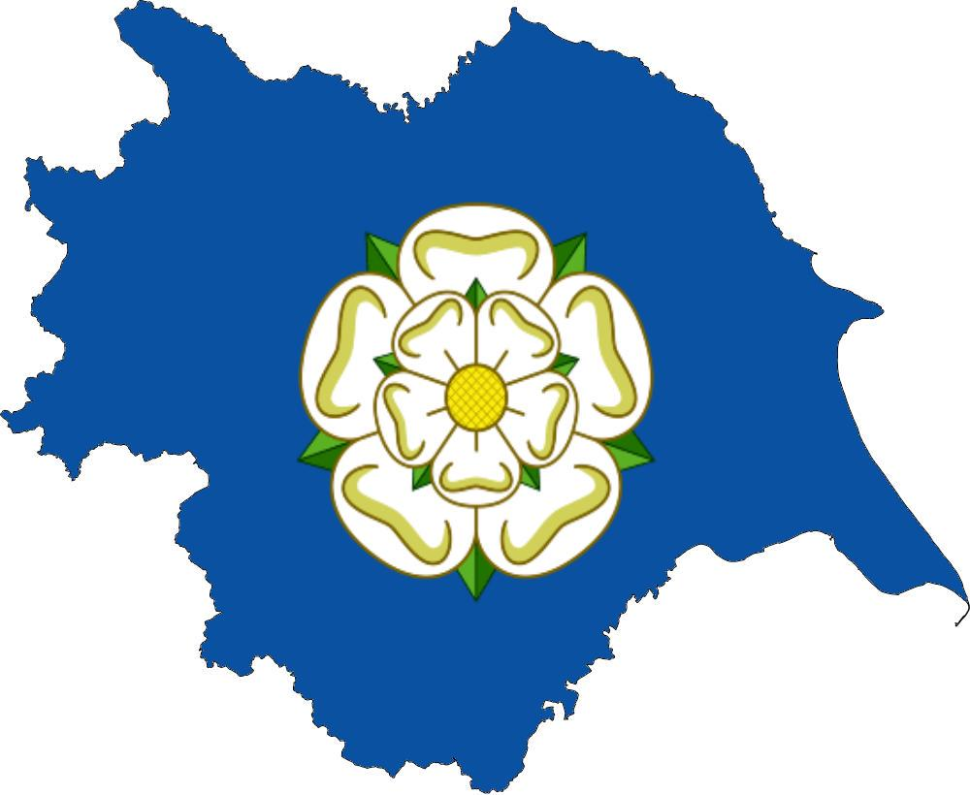
Some counties, like Yorkshire, possess the identity, culture, and critical mass to stand as a region in its own right, with a distinct economic engine and a population larger than Scotland. Other counties would be at liberty to form clusters, with the consent of their populations, to create new county regions with a shared identity and governance.
Older workers currently occupying these exact roles were often hired with no qualifications at all; they walked into a local business, “shook hands, and got the job,” without an interview, without a CV and often without even having finished formal education. Now, corporations demand a Bachelor’s degree for a job that is considered “entry-level,”